
Pilates for Back Pain: Finding Confidence in Movement Again
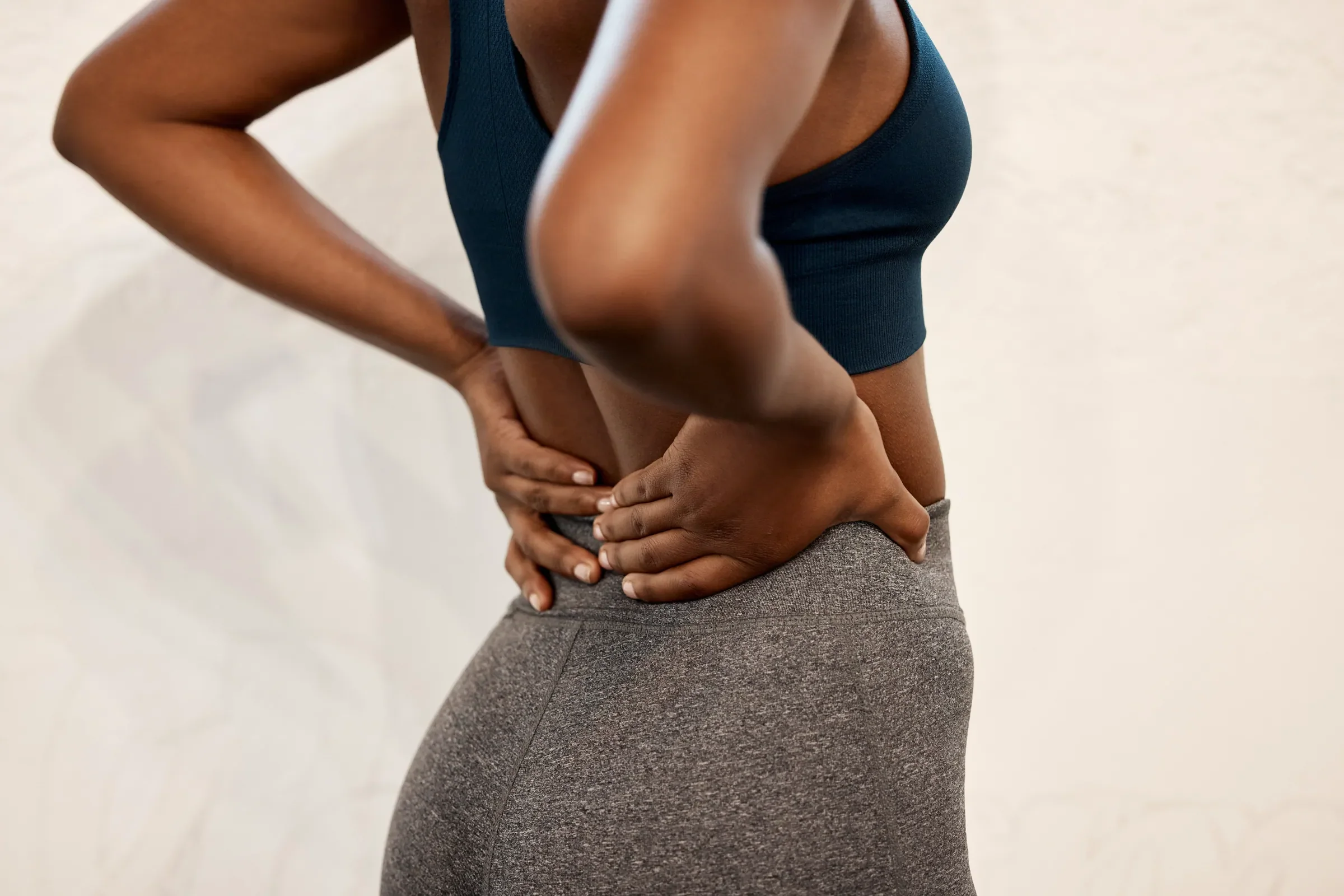
Back pain has a way of making everyday life feel more complicated than it should. Simple tasks like getting out of bed, carrying groceries, or sitting comfortably at your desk can suddenly feel uncertain.
When movement hurts, it's natural to want to avoid it. But over time, doing less can sometimes leave the body feeling stiffer, weaker, and even more hesitant to move.
At Westdale Pilates, we believe movement should feel supportive—not intimidating. Pilates offers a gentle, mindful way to rebuild strength, improve mobility, and reconnect with your body after injury or chronic discomfort. When practiced under the guidance of a qualified instructor and with approval from your healthcare provider, Pilates can become an important part of your recovery journey.
Understanding back pain
Back pain can develop for many reasons. Sometimes it's the result of a sudden injury. Other times, it builds gradually through years of repetitive movement, prolonged sitting, postural habits, or conditions such as arthritis or disc-related issues.
No matter the cause, many people experience a similar cycle:
Muscles around the spine tighten to protect the area
Deep stabilizing muscles become less active
Movement feels uncomfortable or unpredictable
Confidence in the body begins to decrease
Over time, this pattern can make everyday activities feel more challenging. Pilates helps gently interrupt that cycle by encouraging balanced movement, improving support around the spine, and helping the body share workload more efficiently.
How Pilates can help
One of the reasons Pilates is often recommended during recovery is that it focuses on quality of movement rather than intensity.
Building deep core support
Pilates strengthens the muscles that help stabilize the spine and pelvis. When these muscles work together effectively, everyday activities often feel easier and more supported.
Improving mobility
Rather than forcing movement, Pilates encourages controlled, gradual mobility. Gentle spinal movements can help improve flexibility and restore confidence in moving through daily life.
Creating balanced strength
The health of your back depends on more than just your back muscles. Pilates strengthens the hips, glutes, shoulders, and postural muscles that all contribute to how your body moves and supports itself.
Increasing body awareness
A key benefit of Pilates is learning how your body moves. You begin to recognize healthy alignment, efficient movement patterns, and areas where unnecessary tension may be creating extra strain.
Over time, these skills can make activities such as bending, lifting, reaching, and walking feel more comfortable and manageable.
Mat Pilates and equipment-based Pilates
Both mat Pilates and equipment-based Pilates can support recovery, and each offers unique benefits.
Mat Pilates
Mat classes use body weight and small props to build awareness, strength, and control. For those managing back pain, mat work can help:
Develop awareness of spinal alignment
Build foundational core strength
Explore movement in a supported, low-impact environment
Reformer Pilates and studio equipment
Equipment such as the Reformer uses spring resistance to provide both challenge and support. For many people experiencing back pain, the equipment can be particularly helpful because:
Springs can assist movement when needed
Resistance can be adjusted to suit individual needs
Exercises can be modified to avoid uncomfortable positions
Movement feels supported and controlled
Many clients recovering from injury benefit from beginning with private or small-group sessions, where programming can be tailored specifically to their goals and comfort level.
What to expect from a back-friendly Pilates session
A well-designed Pilates session should never feel like you need to push through pain to succeed. Instead, you can expect a thoughtful and collaborative approach.
A conversation first — Your instructor will want to understand your history, your current symptoms, and any recommendations from your healthcare team. This helps create a plan that feels safe and appropriate for your stage of recovery.
Breath and gentle activation — Sessions often begin with breathing exercises and simple movements designed to reconnect you with your deep stabilizing muscles.
Supported movement — As your body warms up, you may explore gentle exercises that encourage mobility and coordination without overwhelming sensitive areas.
Progressive strengthening — As confidence and capacity improve, exercises can gradually become more challenging, helping build strength in the muscles that support long-term spinal health.
Reflection and recovery — A session typically ends with gentle stretching and an opportunity to discuss what felt helpful, what felt challenging, and how to continue progressing comfortably.
The goal is not to push harder. The goal is to help you move with greater ease, confidence, and trust in your body.
When to seek additional guidance
While Pilates can be an excellent complement to recovery, it's important to work closely with your healthcare provider if you are experiencing:
Acute or severe back pain
Numbness or tingling
Significant weakness
Recent injuries or fractures
Diagnosed spinal conditions requiring medical management
Your instructor and healthcare team can work together to ensure your movement practice supports your recovery goals safely.
Tips for getting started
If you're considering Pilates as part of your recovery, here are a few ways to set yourself up for success:
Choose experienced instruction — Look for instructors who are comfortable working with injuries and understand how to modify exercises appropriately.
Start where you are — Recovery isn't about keeping up with anyone else. Beginning with foundational exercises creates a stronger base for long-term progress.
Communicate openly — Your feedback matters. Let your instructor know what feels supportive, what feels uncomfortable, and how your body responds after class.
Respect your body's signals — Modifications are a tool—not a setback. Listening to your body is an important part of the process.
Stay consistent — Meaningful change often comes from small, regular steps. Even one or two sessions each week can create lasting improvements over time.
Rebuilding trust in your body
One of the most challenging aspects of back pain isn't always the physical discomfort—it's the uncertainty that can come with movement.
Pilates offers an opportunity to rebuild that confidence gradually. Each session becomes a chance to discover what your body can do, rather than focusing on what it can't. With time, many people find that movement feels less intimidating, daily activities become easier, and confidence begins to return.
There is rarely a quick fix when it comes to recovery. But with patience, guidance, and consistent practice, Pilates can help create a path toward moving with greater strength, comfort, and ease—both in the studio and in everyday life.