
Postpartum Pilates: Reconnecting with Your Strength After Pregnancy
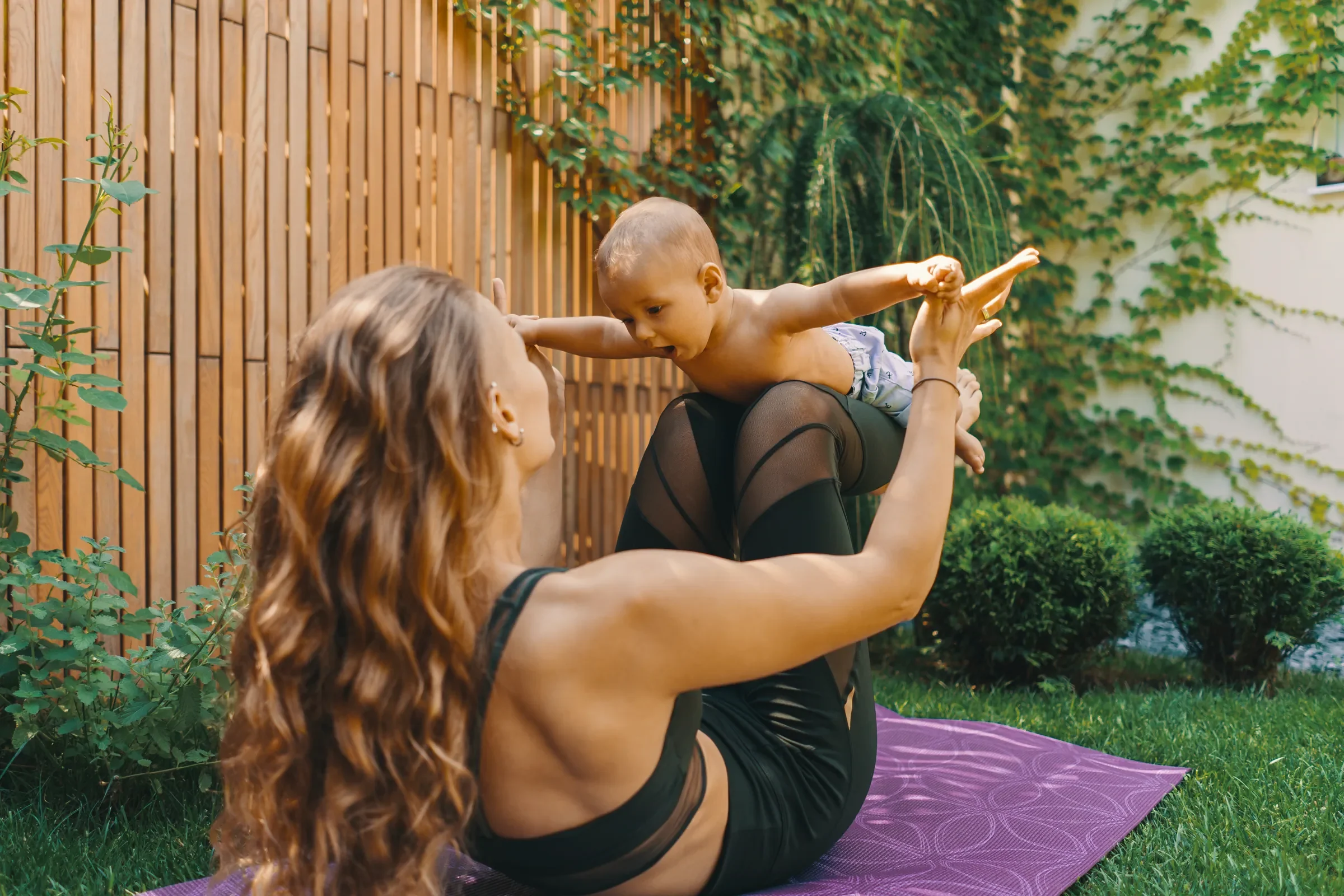
Your body has been through something incredible
Pregnancy and birth ask a lot of your body. Over many months, your abdominals stretch, your posture adapts, your pelvis supports new demands, and your pelvic floor works hard to support both you and your growing baby.
It's no surprise that after birth, many new parents feel disconnected from their core. You may notice changes in your balance, posture, or strength. Everyday activities — getting out of bed, carrying your baby, or standing for longer periods — can feel different than they once did.
These experiences are common, and they're a natural part of the postpartum journey. Your body has adapted beautifully to pregnancy, and now it's beginning a new phase of healing and recovery.
At Westdale Pilates, we believe recovery deserves patience, support, and thoughtful movement. Postpartum Pilates offers a gentle path back to strength, helping you reconnect with your body from the inside out.
Why Pilates is so well suited to postpartum recovery
Postpartum healing isn't about rushing back to exercise or trying to return to your pre-pregnancy body. It's about rebuilding a strong foundation that supports you through the demands of daily life and parenthood.
Rebuilding deep core support
Pilates focuses on the deep muscles of the core, including the Transverse Abdominis and pelvic floor. These muscles work together to support your spine, pelvis, and movement patterns. Learning how to reconnect with these muscles can help you feel more stable, supported, and confident in everyday activities.
Breathing with intention
Breath is at the heart of Pilates. Thoughtful breathing patterns help coordinate the diaphragm, rib cage, abdominal muscles, and pelvic floor, creating a stronger connection throughout the body while encouraging efficient movement and reduced tension.
Progressive strengthening
Pilates meets you where you are. Rather than jumping into high-impact exercise, movements are introduced gradually and intentionally, allowing your body to build strength at a pace that feels supportive.
Support for your back, hips, and pelvis
Hours spent feeding, carrying, rocking, and lifting can place new demands on your body. Pilates helps strengthen the hips, glutes, and postural muscles that support the pelvis and spine, often helping you move through daily tasks with greater ease.
The goal isn't perfection. It's helping you feel stronger, more comfortable, and more connected to your body.
Starting safely
Before beginning any postpartum exercise program, it's important to receive clearance from your healthcare provider.
If you've experienced a C-section, Diastasis Recti, pelvic floor concerns, prolapse symptoms, or ongoing back or pelvic discomfort, sharing that information with your instructor helps ensure your movement practice is tailored to your needs.
A qualified instructor can provide modifications and progressions that support healing while helping you build confidence in movement again. As always, your body is the best guide. If something doesn't feel right, adjustments can be made, and additional support from a pelvic health physiotherapist may be helpful.
Postpartum core strength is about more than crunches
Many people are surprised to learn that rebuilding core strength after pregnancy often begins with the smallest movements.
Rather than focusing on traditional abdominal exercises right away, Pilates starts by restoring coordination, breath, and deep muscular support through movements such as:
Breath-focused core activation
Gentle pelvic mobility exercises
Supported bridges
Controlled leg movements
Side-lying and all-fours variations
These foundational exercises may seem simple, but they often create meaningful improvements in stability, comfort, and body awareness. As your strength develops, exercises can gradually become more challenging while maintaining quality of movement and proper support.
Mat Pilates and Reformer Pilates: Which is right for postpartum recovery?
Both Mat and Reformer Pilates can play a valuable role in postpartum recovery.
Mat Pilates
Mat Pilates offers an opportunity to slow down and reconnect with your body. It emphasizes:
Breath awareness
Core activation
Alignment and posture
Hip and glute strength
Mobility and flexibility
Many people appreciate that mat-based exercises can also be practiced at home between studio sessions.
Reformer Pilates
The Reformer provides spring-based resistance and support that can feel particularly helpful during recovery. Thoughtfully programmed Reformer sessions can:
Support movement while building strength
Create stability through controlled resistance
Encourage full-body conditioning in a low-impact environment
Help you explore movement with confidence
Postpartum Reformer sessions are typically focused on building a strong foundation rather than pursuing intensity.
What to expect in a postpartum-friendly Pilates session
Every recovery journey is unique, but many postpartum sessions include:
A supportive check-in — Your instructor will want to understand how you're feeling, what your energy levels are like, and how your body has been responding to daily activities.
Breath and core connection — Sessions often begin with gentle breathing exercises and foundational core work designed to restore awareness and support.
Postural strengthening — Targeted exercises for the upper back, shoulders, and chest can help offset the physical demands of feeding, holding, and carrying your baby.
Hip and glute work — Strengthening the muscles around the pelvis helps create greater support for the lower back and everyday movement.
A pace that feels manageable — Recovery is not measured by how hard you work. It's measured by how well your body responds. The goal is to leave feeling supported, energized, and capable—not depleted.
Giving yourself permission to move at your own pace
The postpartum period can come with many expectations about how quickly recovery should happen. Pilates invites a different perspective.
Progress might look like carrying your baby more comfortably, experiencing less back discomfort, feeling steadier when getting up from the floor, or simply having a moment to reconnect with yourself.
These are meaningful victories.
Healing isn't linear, and every body follows its own timeline. What matters most is building strength, confidence, and resilience in a way that feels sustainable.
Making movement fit real life
Life with a new baby rarely follows a predictable schedule, and your movement practice doesn't need to be perfect to be effective.
A few gentle reminders:
Begin when you've been cleared and feel ready
Start with realistic goals and manageable sessions
Honour days when your energy feels lower
Celebrate consistency over intensity
Trust that small steps add up over time
At Westdale Pilates, we believe movement should support you through every stage of life—including the beautiful, challenging, and transformative postpartum season.
Your recovery is not about getting back to who you were before. It's about building strength for where you are now, with patience, compassion, and support every step of the way.